Monday, 6 September 2010

376. Oral health hitting bottom in Portugal

Portuguese dentists in England:


=================================
President of dentists want more investment:
============================Young people make dental screening:
CopyRight @ RTP
=============
These reports show the sorry state of affairs that has been reached in our country with policies that various governments have implemented since April 25, 1974 to the present day: investments in opening schools and training of dentists without any planning, excessive supply of dentists in the domestic market, export of our best dentists abroad for nothing (after cost tens or hundreds of million of our taxes) and never before has the population is so abandoned to their fate in terms of oral health.
Becomes urgent and necessary to a profound and radical change of view of oral health in our country at all levels, and not leave unpunished totally irresponsible politicians who are really responsible for this deterioration of health care in Portugal and should answer in court for so very serious errors committed while rulers.
The country can no longer tolerate the aberration of the successive ministers who have guided the politics of oral health in our country, these are crimes in public that justice should act quickly.

Thursday, 2 September 2010

375. Dental clinic accused of fraud to ADSE

During five years, a clinic in the city of Oporto invented invented consultations and issued false invoices that were reimbursed by ADSE. The fraud was around 200 000 euros. The prosecution has accused 63 former employees of the SMAS and the owners of the clinic.
On top of that fraud, according to the indictment prosecutors, advanced yesterday by the newspaper Público, reaches almost 200 000 euros, are the owners of the Dental Clinic Santo Ildefonso, Oporto - Felisberto Horácio, dentist and his wife, Julieta Monteiro, who was managing the company. Both are accused of fraud and falsification of classified documents. In the list of defendants are also 63 former officials Municipal Services of Water and Sanitation (SMAS) in the city of Oporto, and also for crimes allegedly complicit in the strategy outlined by the owners of the clinic.
According to prosecutors, the scheme consisted in the issuance of fake receipts in favor of the clinic. Through the endorsement of bills of ex-SMAS Porto, currently the City Water Company of Oporto, ADSE paid almost 200 000 euros in shares, for the support and social protection of employees and agents of government. The prosecution considers that there is evidence that in some cases, employees of the SMAS never even been clients of the health unit and, curiously, the receipts of treatments appeared on behalf of their relatives or colleagues.
In other situations, however, researchers have concluded that the value of the receipts had been fraudulently raised for the sole purpose of serving repayments, often to medical acts ever committed. Sometimes these values functioned as a kind of current account to pay for treatments to teeth that were in fact carried out.
Everybody made money: managers of the clinic received funding of health care has never provided and the staff of former SMAS (or family) pay nothing when they had need of any medical treatment. The facilities were such that the subject came by word of mouth and became known in the company. Moreover, managers at the Dental Clinic of Santo Ildefonso, sought to establish relations of friendship and trust with potential customers, facilitating, including payments for services not provided to friends and family.
The purpose was twofold: firstly, to increase profits and, secondly, increase considerably the number of clients because, for the relevant period (2001-2005) many of them went to the clinic because they were employees of former SMAS and know in advance that anything paid for medical care made. Done cross-checked data and the excessive number of receipts, some of them torn by a former employee of the SMAS (which, in a month, came to receive reimbursement of ADSE more than the salary paid by former SMAS) the researchers concluded that the defendants maintained a plan together for the illicit enrichment for society members who were due in cash values delivered by ADSE.

Monday, 30 August 2010

374. Summary program HEALTH SERVICE oral health (2009-06-16)

Read
Summary program HEALTH SERVICE oral health (2009-06-16)
in Scribd, typing
here (Portuguese Version)
Warning: It takes a few seconds to open the document

373. Ten tips to keep your smile looking good

Ten tips to keep your smile looking good:
1. Brush your teeth at least two / three times daily, preferably after meals and before retiring;
2. Use a brush of appropriate size, soft and with a small head to prevent injuries to the teeth and gums;
3. Search always use a toothpaste with 1,000 to 1,500 ppm of fluoride (ask your dentist which toothpaste best suited for your teeth);
4. Avoid brushing your teeth only horizontally. Place the toothbrush slightly tilted in the passage by the teeth, so they do not wear over time;
5. Use dental floss daily before brushing to remove food debris and bacteria that exist between spaces and between the teeth and gums;
6. Follows the recommendations of your dentist in the use of elixir for rinsing;
7. Seeks to maintain and clean the teeth, especially along the gum line, preventing plaque and tartar;
8. Makes a regular dental review, preferably of 6 in 6 months, and an oral check-up at least once during the year;
9. Maintain a balanced diet and seeks to replace the candy for more nutritious foods like cheese, fruit and vegetables;
10. If you have sensitive teeth visit a dentist because it may be an indicator of dental caries, tooth fracture.

Sunday, 29 August 2010

372. New Frontiers 2009-2013 Forum hosted election promises in the oral health

The health, the topic under discussion in this Forum New Frontiers Wednesday, deserved at the end of assistance from the experts, the participation of Prime Minister Jose Socrates, who praised the National Health Service (SNS in Portuguese). With great emphasis, Socrates spoke in one of the major targets in its next term. This is the voucher program dentist. The socialist leader said he intends to generalize the scope of this program. Currently only affects children under seven, ten and thirteen years, a total of 200 000. Our commitment is to ensure by the end of the legislature access to oral health care for all children and all young people from four to 16 years, said the leader of the PS.
* * *
José Socrates promises to ensure the infamous oral health program based on the check-dentist to all children and young people aged between 4 and 16 years old in 2013, ie only for those born between 1997 and 2009. Are thus automatically guaranteed by the current head of government, the removal of the program hundreds of thousands of children and adolescents born before 1997, regardless of any clinical or social origin.
Taking into account the already precarious nature of this program of check-dentist, it becomes clear that not be the continuation of the current health policy advocated by the Socialist Party that the majority of children and young Portuguese will have access to oral healthcare. Thus, the majority of future generation of men and women of our country will continue beyond any possibility of access to oral health care in our country.
Now that Jose Socrates has put pen to paper on what will remain the case for oral health policy continues to be Prime Minister, the question remains: is it worth to vote in the Socialist Party in the forthcoming elections? You may not have interest in the subject but will we sacrifice more nearly an entire generation, spending tens of billions of euros in investments very doubtful for the improvement of living at the same time it will deny access most children and young people to oral health care?
Think before you vote.

Wednesday, 18 August 2010

371. In Portugal, the offenders have better oral health care to people without entries

It should be noted that, although this does not happen in other fields, the prison system today, provides stronger support to prisoners that the relevant national health service free to the public, particularly when it comes to dental care.

Sunday, 15 August 2010

370. Minister promises free dentistry for children

In due time I asked the political parties represented in parliament who did get to ORAL HEALTH proposals on oral health in their programs contemplated for the next term. So far only the CDS-PP had the courtesy to respond to the request, which can be read by typing here.
Thus, taking all knowledge of the absurd policy of discrimination that continues to be promoted by the current Ministry of Health, the government assigned the PS in the field of oral health, dividing between the Portuguese first (very few and mostly those who have money) and Portuguese second (the vast majority of the population and the largest contributor to taxes), it is worth remembering other political party by other forces when they were in power.
Below is the promise of the then Health Minister Luis Filipe Pereira, assigned to the government of the PSD / CDS in 2004, promising free consultations for all children and adolescents up to 18 years, beyond the promise of the feasibility of oral health in the National Service Health (promises that were much, much more that we currently have the government and implemented by the Socialist Party in the last months of his term).
However I am awaiting the proposals of other political parties.
* * *
Minister promises free dentistry for children
The health minister pledged yesterday to implement, as soon as next year, two free dental consultation for all citizens up to 18 years. The promise was made at a meeting with the president of Dental Association (OMD), Orlando Monteiro, who admitted curious considering the story go "so suddenly."
According to Orlando Monteiro, Luís Filipe Pereira have on hand a national oral health plan designed by the Directorate General of Health (DGS), which provides for consultations "in private offices, through a kind of convention in the state" will pay 37.5 euros "for each examination. Already with budget (which Luis Filipe Pereira declined to advance the OMD), the initiative starts in 2005 and should be implemented "gradually" under joint supervision of the DGS and the OMD.
Shyer seems intent of the Minister to begin to monetize the dental equipment out there, standing at the Department of Health Naconal was agreed that it would work to open the frozen waves of a few hospitals - too few - and then study the feasibility of the introduction of oral health in the National Health Service (SNS), Orlando Monteiro said, adding that Luis Filipe Pereira emphasized that would not open too many expectations to the people, not to open a floodgate that would become unmanageable in terms of cost. The idea seems to be doing pilot projects in health centers already equipped only for certain treatment and appropriate user fees. But it has no starting date.
The president of the OMD took the audience to denounce the imposition of free services to dentists by health insurance and the agreements with the social security system of public administration (ADSE), whose values do not even cover the cost of materials and illegal situations motivate overcharging. The minister referred the matter to the Ministry of Finance, the Competition Authority and Regulatory Authority of Health.
November 20, 2004

369. Websites of candidates for president of the Portuguese Dental Association

Tuesday, 10 August 2010

368. The most toothless smile in Europe

Portugal has the most toothless smile in Europe! How? Why?
First of all, the problem is cultural and educational. There has never been a program of dental education in the country. For Example, "Between a top model cell phone and a healthy smile people prefer the phone!" Even Public figures, with no financial problems, appear on TV with smiles full of holes, because most of the people think oral health is not a priority!Second, the public health system has no dental care whatsoever. The oral health of the Portuguese depends on the private sector. Not surprisingly, many people never go to the dentist until it is too late, when pain is not more bearable!
Third, the situation is even more serious when we consider that millions of Portuguese do not have access to dental care. For lack of buying power (a visit costs between 30 and 75 euros). The problem is especially serious among the old, with one half of senior citizens in Portugal not having one tooth in their mouth! The pensions are so low that they don't cover the high expenses of dentistry.
The lack of teeth results in problems of a psychiatric nature, such as isolation and shame. All in all, not a pretty picture.The problem though is not a shortage of dentists. In a region where almost no dentists even existed twenty years ago, there are now enough to attend to the population. All of them are private and not cheap. The seven Portuguese dental schools (three public and four private) now turn out about five hundred graduates in Dental Medicine.
In a few years the growth in the area will be out of control and this will bring serious problems. Of the 4,500 dentists registered in the Order of Medical Dentists (OMD), 20% are foreigners (from 34 nationalities).
The government also allows non-qualified dentists to operate legally. In a controversial decision the National Assembly passed a law legalizing all the dentists without diplomas (called "mechanics") to carry on their practice, with the dubious obligation to do a certain number of courses in a determined number of years. No one thinks that these so called dentists will ever do any courses. Many of them are semi-illiterate and some are too old to set foot in a classroom. Not surprisingly, the population with fewer financial means prefers these ? dentists? because they are cheaper.
The OMD says that in Portugal there are "hundreds of illegal dental clinics." The denunciation of this "shameless situation that occurs in Dentistry, without any control?, comes from Orlando Monteiro da Silva, president of the organization. He states that public health is at risk from the possible transmission of communicable diseases, like Aids and hepatitus, by way of blood and saliva. Furthermore, there is illegal competition for professionals who are already facing the shadow of unemployment.
Recently, the Assembly of the Republic approved a law, readied by the parliamentary group of the Democratic Social Party (PSD) , that will give to the order, powers to inspect and to combat the false dentists, who proliferate all over the country, with particular prominence in the outskirts of Lisbon.
The present law was the only way to change the Order statutes, which now give the Order power to intervening in the combat against the shamless situation that is taking place in Portuguese dentistry, where hundreds of individuals practice with no academic training whatsoever.
With this change in the law, the OMD doesn`t hesitate to "call the police" and "order the closing of clinics that operate illegally?. In addition to the Doctors in Dentistry, who are graduates of the schools of Dental Medicine, there are about 600 "Odontologistas", recognized by the National Association of Portuguese Dentists (ANDEP). Some of these dentists are Brazilians (university graduates and others are graduates of recent courses in Portugal, while others have no diploma whatsoever).
Special recognition was given to these professionals in order to preserve acquired rights. Hundreds of candidates were left out, and despite being excluded by the ANDEP, continue to practice dentistry. These are the targets to be hit. The argument of the OMD, besides the obvious illegal competition, relies on aspects of public health, like improper sterilization of material. Patients visiting these "dentists" put their health at risk!
The European Commission has instituted a suit against Portugal in the Justice Court of the European Communities, because it considers that the legislation regulating the profession of dentist violates the community directives on Dental Medicine. For the Commission, which is acting after a complaint from the OMD, the profession of ?Odontologista?, as it is defined in Portuguese legislation, has a "field of activity almost identical" to that of the graduates of the schools of Medicine and Dental Medicine. Odontology appears as an "alternative and competing" profession with that of dentist, when its professionals do not have the qualifications foreseen in European directives.
The OMD contested Law 4/99, which has already been repealed, but has still not been able to hinder the "odontologistas", who have been awarded professional documents, even some who have any university training.It is thus that the smile of the Portuguese goes!
André Almeida, Dental Student of Health Sciences Faculty of Fernando Pessoa UniversityQue dois

Saturday, 7 August 2010

367. Minister says that poor access to dentists is not unique to Portugal

Health Minister, Ana Jorge points, in statements to the TSF, the majority of the elderly, pregnant women and children already have access to dental checks, but justifies the difficulty that remains in people's access to this specialty is not a problem Portugal.
Speaking to the TSF, the Minister Ana Jorge, recalled that most of the elderly, pregnant women and children already have dental checks and noted that the difficulty in access to dentists is a problem that also arises in more developed countries of Europe.
It is not a problem that is unique to Portugal. We are worried about it so that one concern was to try to extend progressively the population oral health care, he said.
* * *
Everyone knows full well that about 90% of the population was denied access to dentists check that in the case of children only serve to be treated at certain ages and not when you really need. More: the overwhelming majority of dentists who are part of the program do it on most often for charity, losing money against the ridiculous prices of dental checks.
Concerning the comparison with other countries, not with the evil of others that the Portuguese will live better.
The form of demagogic behavior of the government now intends to publish the opinion already discredited program of oral health, often aided by the media more or less nationalized, it will not be shown with the current rulers that oral health will reach over 90 % of its population while continuing to be almost exclusive to the bourgeoisie.

366. Candidate for Chairman of the Order of Dentists

Candidate for Chairman of the Order of Dentists in Viseu - Chairman of the candidate Dental Association, Fernando Guerra, was in the city of Viseu to present the guidelines of your application, listening yet the problems they face every day the doctors dentists in the region. Fernando Guerra said that the main purpose of this application goes through the revitalization of the institution that is the Order of Dentists.
We want to introduce an innovative speech find different proposals and concrete so they can be found solutions to several problems that persist in persist, he explained. The assistant professor, School of Medicine, University of Coimbra believes he represents a clear alternative to the direction that the Order has had.
We try to give new energy, innovative solutions to instill clearly that the order to rebalance the profession of dentist, he said. A little over six months of the elections, the candidate has been touring the country in order to share experiences, listen to colleagues, reconnect the policies that intend to introduce the Order of Dentists to dentists.
Dentists have responded in a positive way to this challenge, these meetings have presented their points of view, shared their experiences, called attention to the many things they face in their day to day, he said. Between the lines of force, presented the need to redirect the Order of Dentists to professional issues, also extending the involvement of dentists in society, proposing a plan for rational and integrated oral health.
We find that funds that are available to Oral Health in Portugal need to be streamlined, have dentists on the ground to implement the strategies of oral health. Dentists should integrate the National Health and they should be the protagonists of the strategies that unfold in this area, he argued. Regrets that so far this has not happened. Therefore, we put forward concrete proposals, including the creation of a National Emergency in oral health and the integration of dentists in the nuclear school health teams, in addition to the award of a report of oral health to newborns and children's garden childhood and the first cycle.
Fernando Alberto Guerra is licensed by the Faculty of Medicine of Coimbra (1993), completed the Masters in October 1997 and conducted tests Aggregation in July 2008. Is assistant professor, School of Medicine, University of Coimbra since January 6, 2004 and the principal investigator or co-authored research projects with national and international head of the Laboratory of Histology Tissue Oral Cavity Department of Dental Medicine. Fernando Guerra ended in March, the duties of dean of the University of Coimbra, to apply to the Order of Dentists.
=========================
The Chairman of dentists has renominated this Saturday - Yielding to the call of the class, the president of Dental Association, Orlando Monteiro da Silva, will re-apply for the post, with proposals such as extending the voucher to the dentist. The Chairman of the Dental Association has revealed that this Saturday, his candidacy for the post and that will, among other things, the extension of dental checks for children of ages that has not been contemplated, as well as diabetics.
Monteiro da Silva indicates that its proposals concern the mandatory insertion of dental medicine in the work and input of doctors, dentists in public hospitals over a career of her own. Two other proposals also appear in the table, such as recruitment of physicians in this specialty by the Family Health Unit and the creation of a national system of reimbursement for basic dental health care for all users of the National Health Service (SNS in Portuguese).
According to Lusa, the current Chairman of the Order of Dentists yields to the call of the various professional specialties who claimed the nomination and convinced him to continue the ongoing measures. Although in recent years much has changed in dentistry in Portugal and oral health, Monteiro da Silva points out that there is still a very large range of people without access to care in this specialty.

Tuesday, 3 August 2010

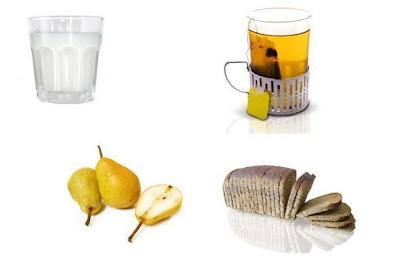
365. Four types of foods that make you smile


66% of Portuguese already had at least one cavity and the vast majority avoids visits to the dentist, or by costs or by sheer terror! Admittedly, the oral health involves the daily oral hygiene, but also look to what we eat.
Learn about good foods for your teeth:
  • Dairy products (semi-skimmed milk, yoghurt and cheese) - Calcium is an essential element for the formation of teeth and bones. A diet rich in calcium protects the teeth and jaws. A diet low in calcium unprotects jaw, loose teeth and exposes them to attack by bacteria.
  • Pears - The raw fruits (not acidic), rich in water, stimulate salivation, lower the pH of the mouth and jaw exercise. At the same time it made a natural cleaning the gums.
  • Black tea - Recent research shows that black tea (pH neutral) contains compounds that attack bacteria that cause cavities and gum disease. However one should not add sugar to tea.
  • Whole foods - whole foods have high levels of vitamin D and iron, essential for healthy gums. They also contain magnesium, an important constituent of bones and teeth.
* * *

Saturday, 31 July 2010

364. The National Study of Prevalence of Oral Diseases 2008

Read
the national study of prevalence of oral diseases in Portugal
in Scribd, typing here (Portuguese Version)
Warning: It takes a few seconds to open the document

Sunday, 25 July 2010

363. Maybe in a clinic near you

This video reveals the scandal committed by various clinics, including the provision of oral health care. Also I've been victim of such abuse exists in a given clinical Elvas (Portugal), on the first floor near the center of town where a particular doctor did not hesitate to pass me three receipts for one query for which I had to pay a price completely unreasonable, without having been informed before the consultation.
This just is and always will be possible while the state government and regional health administrations continue to collude with unscrupulous private and only seek profit and exploitation of the patient, not looking at ways to achieve their ends. I believe that this would be impossible to occur in another member country of the European Union.

362. When the first consultation is free


Several clinics and dental practices offer a free consultation first observation (no dental treatment or else offering a simple cleaning). Enjoy and take advantage, as it can get to know how is your oral health and what are the recommendations for your case.
Remember: take advantage of the offer the first appointment and choose to spend two or three practices or clinics, at least, to better ascertain their oral health, check prices and request quotations, in consultation where the quality of service provided. Then choose rationally to make the right decision, taking into account first in your healthcare.

Thursday, 22 July 2010

361. Oral Health Forum (Dental Association)

* * *
The Dental Association provides a forum for discussion on - line. Join and spread the Forum, do oral health a national public health issue.
Most existing social achievements have only been achieved only with great effort, dedication and commitment of anonymous people who did their best for the good of society. Also we will have to leave our mark for future generations, contributing selflessly for social causes. And in Portugal, oral health is still not considered by the State as a disease; so join in this journey by public cause; participate and streamline all activities that may contribute to the declaration of oral health as a disease public health, in full equality with the other medical specialties.

Tuesday, 20 July 2010

360. There is a greater care in the presentation of the mouth

After a delay of decades in the prevention of oral health, the Portuguese are now starting to give real significance to the teeth. Fundamental to chew food, to the pronunciation of words, but also to the physiognomy of the face, the loss of a tooth can have serious consequences. Besides being unsightly and deform the face, there is also bone loss in the long term, it is difficult to recover.
To make the rehabilitation of the mouth, the implant has an important role since it allows the "recovery" of the teeth. As explained to our newspaper the chairman of the Scientific Society Implantology Portugal, Vasco Carvalho, an implant is an artifact that replaces the root of a tooth, being finalized by the crown, now very similar to a natural tooth.
"The implant looks like a screw, but it is very rough in the bone grabs during osseointegration. The outside is the crown. Five or six implants may support 12-14 teeth ', exemplified one dentist who is also professor at the Catholic University.
The implant is a technique that is developed just 15 years ago in the archipelago and there are few dentists who develop it. The high cost of the technique limits the access of the population. However, Vasco Carvalho ensures that each case is a different situation. He acknowledges that the dentist placing implants for people who have financial difficulties is a mirage, but it is also true that increasing the amount of dental implants are placed it will allow the loss of patents and these prices start to be more accessible everyone.
Still, stresses that people sometimes prefer to change the car to invest in health. So, remember that today no one get a job with no teeth or no one goes to the television without teeth, the appearance of mouth counts.
The positive aspect of this rehabilitation technique of mouth is that the success rate of implants is currently very high, reaching 98 per cent and can last a lifetime if hygiene care. It is that the tissues around the implants may suffer the same diseases that arise in the cultural roots of the teeth, as pyorrhea, which often attack the bone and tissue around it.
Still, the technique of implant does not have many contraindications. Years ago, people with diabetes could not place implants, but with the evolution of materials used and provided that the protocol is followed, a diabetic can have your mouth restored. The same goes for a patient who has made cancer treatment. In this case, you must meet a set deadline, before undergoing surgery. In both cases, the risk of the bone does not integrate the implant is about the same as that in healthy people.
Vasco Carvalho argues that the implant can not be viewed the same way that it goes to the supermarket to buy products because there must be a work by a team of professionals. In this sense, it argued that the implant over time will have to be part of the assistance of colleagues, of course there are more complex cases that deserve more invasive techniques and more complex, but the implant is a good solution for the recovery of the mouth of anyone who walks toothless.
Too many dentists - While the United States or some European dental schools already had many years in Portugal they only appeared in 1976 and were offered by Norway. Until then the population was delivered to the care of some practical stomatology, told Vasco Carvalho, Professor of History of Dentistry, at Catholic University. Even so, the evolution of dentistry in Portugal has been very fast and for years was the best the country had.
Currently has over 6,500 professionals, an excess, she considers. Before, if we did not care, as we have good teeth? Questioned Vasco Carvalho. However, there is a question that haunts him is the adaptation of courses to Bologna, which will take a year course in dentistry. Let loose and much, considering.
Faced whether dentists should integrate national and regional systems of health professional said that it would be too expensive for governments. As regards prevention of oral health, Vasco Carvalho says it has to start by the parents. The action at school is important, but they are adults who have to limit children's access to refined sugars and encourage eating, for example, an apple to bite that has important fibers to the teeth.
Despite the difficult economic environment, the Portuguese go to the dentist for prevention and many people joined the dentist checks the Order of Dentists. It's little, but better than nothing. The problem is that there is a core of people who otherwise have to eat, will not have to buy paste for brushing teeth, he said.
Marília DantasJornal da Madeira

359. Opinions about oral health program broadcast on public television Portuguese

Some considerations about the various interventions in the program:
- positively was João Pimenta, which focuses on exactly the main problem today in Portugal in the area of oral health: Oral health professionals should be in the Health Centres and Hospital Centers, there is money for many things but there is no money to have dental Health Centers I also agree, commenting on the sarcastic smile of Rui Calado, in this program, you know exactly where they should be the oral health professionals in Portugal;
- Francisco Salvado, Coordinator of the Department of Stomatology, Hospital Santa Maria was also very well to remember that the check-dentist comes just less than one million Portuguese, leaving out more than nine million, also questioned about the need for support other risk groups, including elderly people with mobility difficulties, the disabled and cancer patients, and the danger of the abandonment of school health. By the way, let me remind you that I await clarification from the Directorate General of Health Protocol for the promotion of health education at school, signed between the Ministries of Health and Education on September 7, 2006, as the post number 347 of this blog, who, after more than a month, still waiting for the reply, I have some doubts that this protocol has not even passed it, having died the same day it was signed;
- by contrast, was very badly Paulo Melo, management of the Order of Dentists, considering that the national situation has changed a lot and it would be inappropriate that the National Health Service spending a huge amount of human and financial resources to equip health centers and it is exactly this position defended by Paul Melo that causes increasingly exacerbate the problem of oral health among the Portuguese. With these views we are just going backwards, because denying the integration of oral health services in health centers will unfortunately continue with more of the same, increasingly alienating the majority of the population to pay taxes of any access oral health, and half private;
- Finally, emphasize what Rui Calado said, while commenting that oral health is not considered a disease in Portugal and I would add, view starting with the politicians and then by the Ministry of Health;
- I pity anyone who has spoken during the program, all Portuguese are required to pay taxes to the training of dentists but, after graduation, dentists are not available to treat the oral health of all the Portuguese, more I believe a lack of morality and extremely malicious there concerns about spending of money today, when everyone knows the earnings and savings of resources that would begin immediately to get in tomorrow.
LEAVE YOUR FEEDBACK IN THE COMMENTS.

Wednesday, 14 July 2010

357. Mouthwash promotes oral cancer

The use of mouthwash in Brazil grew 2277% from 1992 to 2007, shows a survey conducted by the dental surgeon Marco Antônio Manfredini, a researcher at the School of Public Health at USP (Universidade de Sao Paulo), based on information from the Brazilian Association Personal Hygiene, Perfumery and Cosmetics. From 2002 to 2007, the increase was 190%.
For Manfredini, encouraging the indiscriminate use of mouthwash should be criticized. "We observed a large investment in inducing the use of the product. And it's important to say that, unlike the paste, brush and floss, mouthwash does not have universal statement. We need to concentrate to use specific cases."
Besides not being essential to oral health, the frequent use of mouthwash with alcohol increases the risk of cancer of the mouth and pharynx. A scientific review published in late 2008 in the journal of the Australian Academy Dental compiled studies from around the world who have found this relationship. According to the researchers, there is enough evidence to accept the idea that mouthwash with alcohol contributing to higher rates of oral cancer.
Much of the products sold in Brazil contains ethanol. A Brazilian study conducted with 309 patients last year and published in the Journal of Public Health also found the same association. Some brands have up to 26% alcohol, and there are people who use every day. Today there are products on the market without alcohol, which should be the chosen, the oncologist said Luiz Paulo Kowalski, director of the Department of Head and Neck Surgery, Hospital A. C. Camargo and an author of the work.
According to Anvisa (National Agency for Sanitary Vigilance), manufacturers are obliged to inform the packaging the presence of alcohol in the composition. The alcohol present in enxaguantes contributes to increasing rates of oral cancer in a manner similar to alcohol - and it is known that alcohol is a second risk factor for the disease, after smoking, increasing from five to nine times the risks.
Joke that the person drinks without enjoying the good part of the drink. The product is not because alcohol is an antiseptic, but because it is a very efficient vehicle, industrially convenient and very cheap. So no alcohol versions tend to be more expensive, explains Alberto Consolaro dentist, professor of pathology, Faculty of Dentistry of Bauru, USP.
Alcohol is not a cancer-causing agent in isolation, but an enzyme the body turns into acetaldehyde, a substance that can alter cells in the mouth and cause tumors in the region. The problem is to use the product every day, because the harm of not giving the cells time to repair. The use of mouthwash [alcohol] needs further study, but it's something like what happens with the cigarette, the more exposure the greater the risk, says Kowalski. Therefore, dentists recommend the use of the product without alcohol, be manipulated, either brand.
The product is a good helper to clean the mouth but do not contain alcohol. People think that burning a mouth rinse is best, but good product need not give that feeling. The antiseptic is not Alcoa, says Consolaro.
Dentists recommend using mouthwash after surgery, tooth scaling, cases of high incidence of tooth decay, gum disease and for people who have no motor skills to accomplish a good brushing. For the general population, the use is optional, although much of this type of product advertising to suggest that he fights bad breath.
From the viewpoint of oral hygiene, it is not necessary. Who has good oral hygiene usually does not have halitosis - and, if so, is not the mouthwash will solve the problem, says Manfredini.

Friday, 9 July 2010

356. Dental check: How to pass the praise to disappointment ... Shame!

José Socrates delivered the first
dental checks for children
* * *

CopyRight @ Socrates2009.pt
* * *
José Socrates considered the "dentist check" which will cover 200,000 children, as a good example of "strategic cooperation" between private and public admitted to extend this experience to other areas of the National Health Service.
The prime minister has attended a meeting in the grouping of schools Nuno Gonçalves, Penha de France, in Lisbon, after having delivered the first dental checks for students with seven, ten and thirteen years, and highlighted as key features of the program free choice of provider, ensuring fairness and absence of waiting lists. According to Jose Socrates, with the start of the assignment of the first dentist checks for young students, the National Health Service gave a very important step:
- Elsewhere in the developed world, is a challenge for the National Health Services the question of hygiene and oral healthcare. The National Health Service began to fulfill its mission with regard to oral health for society when the Portuguese Government has decided for the allocation of dental checks for specific target audiences such as youth, elderly and pregnant women.
The prime minister also said that the goal of government is mobilizing structures and resources already existing in the country in the area of oral health in the service of the National Health Service. Therefore, the Government refused to create more than one service within the National Health Service, which is an alternative to the private system, before deciding to use the system to the private services of public objectives.
We want everyone, regardless of economic status, have access to dentistry. Families who are enrolled in this program with complete autonomy to choose which dentist to go. And choose without having to wait for the next year or in three or four months, because this system ensures access to a dentist with no waiting list, stressed José Sócrates.
* * *
Delays in payments away from dentists
dental checks

Again the first compliment that reality comes later; for those who are not minimally aware, it is good to start thinking about the good intentions of leaders we have. After all, when the work first and then the praise?

355. Soft brushes and clean teeth

The correct choice of toothbrush should begin in early childhood and care for the teeth should begin from the birth of the first teeth. For this reason, you must use the correct brush for this stage of life.
Brushing the teeth of babies and children should be done in an enjoyable and fun, just to encourage the habit of brushing and ensure the quality of oral health in later years. According to the dentist Hugo Roberto Lewgoy at this stage of life, one must be careful not to cause an aversion of tiny in relation to oral hygiene habits.
- The gums of babies and children are very delicate and sensitive. Recommend the use of brushes with a large number of bristles and ultra texture - explains the expert.
Offer to children a toothbrush that allows the efficient and proper cleaning of the teeth without hurt or injure the gums, is the greatest contribution that parents can offer to ensure oral health throughout life for their children. Therefore, the brush is shown shortly after the outbreak of the first deciduous teeth (also known as "baby teeth"), between five and nine months, until six or seven years old, when there is the beginning of eruption of permanent teeth.
An important issue is that the child brush can not only be beautiful or full of flashy visual appeal, it must be a quality and can not injure the gums.
- The brush should provide features developed specifically for this age group, for example, the presence of a small head and anatomical setae rounded and polished and a cable that adapts easily to small little hands - he explains.

Monday, 5 July 2010

354. Analysis of the National Study of Prevalence of Oral Diseases in 2008 (Part 7)

Oral diseases in childhood and adolescence (Part 1)
* * *
The National Study of Prevalence of Oral Diseases 2008 identifies tooth decay and disease periodontist in children and young Portuguese, which comes on top of fluorosis in certain geographic areas.
The calculation of the indices of dental caries has shown that its value grows with increasing age of children and young people, which can assume a condition attached to a neglect of oral health as children and young people grow and / or greater attention to oral health of children when they are smaller. We can not forget the changing environment that children and young people are going on as they grow older, which may also contribute to the development above. Are the gardens-schools and schools of the first cycle more apt to support and help in better and more consistent than the other levels of higher education? If yes, why?
Dental caries at 6 years old - Very troubling is the discrepancy observed between the various regions of the country: "In the temporary dentition, Madeira, with a DMFT of 3.61, had the highest prevalence of disease, the difference being statistically significant against the national average. In the permanent dentition, the Azores, had a DMFT of 0.24, which was triple the national average. The regions of Central (0.02), Lisbon and Tagus Valley and the Algarve (0.03) had the lowest values: these changes are statistically significant. (...) For health regions the proportion of temporary teeth decayed (at six years old) was very high, ranging from 83% in the Alentejo and the Azores and 94% in Lisbon and Tagus Valley."
These contrasts show clearly the lack of opportunity of access to oral health in much of the country, constituting a grave injustice committed on children living in disadvantaged areas, in other words, health oral evidence to the discrimination made in favor of richer regions, always hurting the poorest regions (absurd logic if we are talking about national cohesion, as are children living in poorer regions that have fewer guarantees of oral health).
Dental caries in 12 years - In this study it was found that at 12 years old, "the regions of Alentejo, the North and the Azores, such as those youth groups with dental caries rates higher." They are also the Alentejo and the Azores where there are young people with fewer teeth treated. Thus, the study shows that dental caries affect more often in young people who have their teeth treated.
Note that the study finds that these changes are significant, given the national average, this means that there are significant regional disparities in the country and as such, the geographic residence of young people 12 years of age directly determines its oral health.
Obviously there will be cultural factors intrinsic to the families that determine the importance given to oral health care of children under 12 years of age, but identified the significant contrasts between the different regions will also have to be to a large extent with the wicked policies of health followed by the country over the past decades and helped to enhance the discrimination of more peripheral regions.
We therefore urgently implement the transfer of resources and public resources to where today there are so many needs, it is to implement public policies to encourage organizations and oral health professionals to settle down with those who need it most, while those not arise policy, children who are now living in Alentejo and the Azores are more unprotected and without equal access to oral health care that exist in other regions of the country, of course, this will bring incalculable consequences that will extend throughout the lives of these children.

Wednesday, 30 June 2010

353. 10 tips to keep your smile looking good

1. Brush your teeth at least two / three times daily, preferably after meals and before retiring;
2. Use a brush of appropriate size, soft and with a small head to prevent injuries to the teeth and gums;
3. Search Always use a toothpaste with 1,000 to 1,500 ppm of fluoride (ask your dentist which toothpaste best suited for your teeth);
4. Avoid brushing your teeth only in the horizontal puts the brush slightly tilted in the passage by the teeth, so they do not wear over time;
5. Use dental floss daily before brushing to remove food debris and bacteria that exist between spaces and between the teeth and gums;
6. Follows the recommendations of your dentist in the use of elixir for rinsing;
7. Seeks to maintain and clean the teeth, especially along the gum line, preventing plaque and tartar;
8. Makes a regular dental review, preferably of 6 in 6 months, and an oral check-up at least once during the year;
9. Maintain a balanced diet and seeks to replace the candy for more nutritious foods like cheese, fruit and vegetables;
10. If you have sensitive teeth visit a dentist because it may be an indicator of dental caries, tooth fracture.

352. Opening speech of the Minister of Health in the hearing of the Parliamentary Health

Opening speech of the Minister of Health
the hearing of the Parliamentary Health
(April 21, 2009)
* * *
President of the Parliamentary Committee on Health, ladies and gentlemen, Social Communication: It is with great pleasure that I am here to answer questions from the gentlemen. I expressed my readiness for some time, but for the sake of this House, only now been realized.
This year the National Health Service (SNS in Portuguese language) is 30 years. In those decades there were many demographic, social, economic and cultural rights to which the SNS has had to adapt. We have given continuity to the reforms that are part of this government program, implementing the measures deemed relevant. The policies are certain to lead to the end. Our responsibility is to the citizen. Thirty years later, we call for a National Health Service refreshed and able to respond to new needs, but based on the same principles: universal, free general and tend, as one of the foundations of the Portuguese Health System.
(...)
The extension of the Oral Health Programme to the younger: The allocation of vouchers to pregnant women and elderly dentist beneficiaries of the solidarity supplement for the elderly, which to date amount to a total of more than 50,000 checks, was a success. It was decided to extend this program to younger students.
Later this month, children and youth with 7, 10 and 13 years who attend public schools will have access to oral health consultations and, if necessary, be entitled to two or three checks for dental treatment. This measure is the necessary complement to the Prevention of existing dental caries. In total, 190 000 children will be covered.
Are also being made available over 20,000 vouchers for dental treatment of children with needs identified in surveys of global health, the 4-5 years before entry to compulsory education.

Monday, 28 June 2010

351. Oral hygiene in children under two years - advice for young daddies!

Oral hygiene for children should be taken seriously early on, as it is in childhood that gives the calcification of permanent teeth. And children learn the importance of taking care of teeth and hygiene of your mouth, parents should lead by example, brushing teeth in front of her. Then, it is interesting to buy a toothbrush for children motivate her. She must really enjoy brushing their teeth the greater their interest and affinity with the brush, the better.
The child should be encouraged to chew it happens to a good development of the masticatory apparatus. Teeth are essential for speech, since the early loss of teeth can damage the pronunciation of some phonemes or causing bad habits, such as the interposition of the tongue. And the aesthetic function is also very important because children who lose a baby tooth too soon become a joy by colleagues, and this can cause psychological problems.

Toilette kit with:
-Cut nails with non-slip grip;
-Toothbrush for the little ones;
-Brush teeth / gum stimulator for the newborn;
-Brush and Comb with Soft Grip handles;
-Comb-newborn;
-Gloves (2 pairs);
-8 Files.
Before two years
=============
During this phase, clean the teeth of your child. Use gauze or a wet diaper on the gums, even before the onset of first teeth. When these start to rise, do the following:
-Stay-behind the child, and with one hand, move their lips and cheeks of the child. With the other, brush sides of outside and inside of the teeth in a circular motion;
-Brush the upper teeth (chewing surface) with movements of coming and going;
-Brush the tongue.
Important: Use the toothpaste is not recommended at this age, because it contains fluoride, which is toxic if ingested in large quantities. If you want to use the folder, apply a very small amount. Do not risk it. In case of large intake of toothpaste, call your doctor immediately.

Tuesday, 22 June 2010

350. S. Pedro do Sul: City distributes oral hygiene kits to children

About 1200 children attending schools in the first cycle of basic education and garden-schools in the municipality of S. Pedro do Sul will be covered with an oral hygiene kit consisting of a toothbrush and toothpaste, offered by the City Council. Delivery of the first kits took place on April 14, the School of the first cycle of basic education from the village of S. Pedro do Sul. The activities are in charge of the team of School Health Center for Health S. Pedro do Sul and Technical Education in the City.
The project, developed in partnership with the Center for Health S. Pedro do Sul in the context of Education for Health, has as main objective to work with children in general hygiene and oral hygiene in particular, promoting the acquisition of knowledge, skills and competencies to promote their oral health. In addition, the program intends to demonstrate the importance of maintaining oral health for a healthy lifestyle; changing oral hygiene habits, raise awareness about the importance of consulting a dentist regularly, and in children implement the good habit of brushing their teeth after meals.
For Councillor for Education and Social Welfare of the municipality, Rogério Duarte, a good gift for parents, guardians and society in general can offer smaller is the possibility of having a healthy dentition, which accompanies the end of their lives. The town hall, attentive and concerned about the welfare of future generations, wants to give the kick-off for a process that judges be extremely important - health, oral health in this case. We believe that children today, a day to recognize how important it was for your health this initiative.
Alderman also notes: "It is our belief that the stakes that we have been doing in education and training in our children proud of will in the near future."
* * *
All campaigns raise awareness for oral health are welcome. For this initiative the City of S. Pedro do Sul, raises the question whether the promoters of the initiative were careful to do before the screening of the oral health of all children involved and whether it's because your referral doctor.
At a time when senior political leaders of the country are more concerned to discuss if the schools become the gateway to the distribution of condoms to adolescents without economic needs and hunger than providing health care to those who need such as bread to the mouth, the remainder goes to local government bridging the obligations of the Ministries of Education and Health (since they do nothing for the primary health of children and adolescents who attend schools in the country, voted to all kinds of abandonment and the fate of their day to day).
Shameful, very shameful behavior concerning oral health care of children and adolescents, by the Government, Members of the majority in parliament and even the President of the Republic, that a country that is part of the European Union.

349. The mouth should not be treated when only gives problems

The Medical and Dental (Caldas da Rainha), located at Rua Heróis da Grande Guerra, number one hundred and three, second floor, aims to provide its patients the highest standards of clinical and scientific rigor. A native of Lisbon, the dentist Gonçalo Seguro Dias acquired the Medicine and Dentistry in 2003 and now divides his work between Caldas da Rainha and Lisbon. It is also an assistant of surgery and oral medicine at the School of Dental Medicine, University of Lisbon.
He graduated from the Faculty of Dental Medicine of Lisbon and attended Columbia University, an institution of higher education located in New York City. Their main concern is that their patients have good oral health.
According to the dentist, the mentality of the Portuguese in relation to oral health is changing. A few years ago most people used the dentist only when they had toothache. Today people are increasingly looking for fixed solutions, have more care than they did a few years ago, he said, adding that it is essential to the maintenance of oral hygiene. Therefore, the doctor advises that patients resort to dentists from a young age to allow for preventive action.
JORNAL DAS CALDAS - Nowadays we hear a lot of dental implants. What are they?
GONÇALO SEGURO DIAS - The dental implant is an artificial means for replacing a lost or more roots, being constituted of titanium, which is a material that is not rejected. We are talking about a technique that has 97-99% success.
JORNAL DAS CALDAS - Who can put them?
GONÇALO SEGURO DIAS - Anyone can make implants, provided that your dentist does not find any contraindications.
JORNAL DAS CALDAS - And it is a very complex procedure?
GONÇALO SEGURO DIAS - No, this is a technique that has evolved in recent years and has simplified the whole procedure. Initially, under local anesthesia (similar to one used to treat tooth decay), your dentist places the number of implants planned and appropriate to his case (depending on the number of missing teeth). After 3-5 months, is made final fixed prosthesis that replaces missing teeth, and that will be supported by the implants placed above.
JORNAL DAS CALDAS - And any dentist can do the procedure?
GONÇALO SEGURO DIAS - This is a surgical procedure and as such should be performed by a specialist. Of course, people should inform themselves about the process and obtain all possible information. Everything must be explained to the patients.
JORNAL DAS CALDAS - Is it really possible for a person coming out soon with teeth fixed?
GONÇALO SEGURO DIAS - Yes, in most cases we can so that patients can leave the clinic with teeth fixed provisional.
JORNAL DAS CALDAS - There are a large number of people seeking these treatments?
GONÇALO SEGURO DIAS - I can tell you that in 2008 we did 400 implants, patients who have Portuguese, English, Irish, Swiss, etc.. That is, to a large number of people is the only solution.
JORNAL DAS CALDAS - Recently participated in the "Doctor, I need help," TVI. Possible transformations are really so great?
GONÇALO SEGURO DIAS - Nowadays, everything is possible. We managed to give teeth to patients with bone, without bone, it's all a matter of technique. What patients need to understand is that it is a process that takes several steps.
JORNAL DAS CALDAS - In your opinion, what are the main merits of the program?
GONÇALO SEGURO DIAS - I think he was a very important role in informing patients about many aspects of dentistry, somewhat demystified a series of concepts.
JORNAL DAS CALDAS - And how is the oral health of the Portuguese?
GONÇALO SEGURO DIAS - Bad for the average of developed countries. Eventually we had patients between thirty and forty years old with no teeth who can not chew ... this is quality of life? My big battle is to try the Portuguese begin to think that the mouth is an essential commodity and not a necessary evil that must be treated only when it gives problems.
JORNAL DAS CALDAS - How does the dentistry in Portugal?
GONÇALO SEGURO DIAS - We have in Portugal of the finest dentists worldwide. We have professionals who are required to take courses abroad which are engaged in exciting projects at the colleges. In this respect we improved a lot over the last decades. Now what is possible is not the same dentist know everything about every area. If we want to work with quality, we have to work as a team by areas of expertise. This is the future. It's the only way to guarantee our patients that are having the best treatment. So today we have a great team and my motto is quality.
Marlene Sousa
Jornal das Caldas

Thursday, 17 June 2010

348. oral hygiene

Oral hygiene is a very old practice and is part of building and strengthening positive self-image. The main oral diseases and changes caused by a poor oral hygiene are: dental caries, gingivitis, periodontitis and halitosis.
The plaque, responsible for the onset of the diseases mentioned above, consists of microbes (bacteria) and components of saliva that strongly adhere to teeth, a condition that allows it to withstand the forces of self-cleaning physiological, related to the movements of the tongue and cheeks.
Dental caries is a localized disease and with origin in bacteria. These bacteria, from the sugars of foods, produce acids that cause a loss of minerals from the tooth, forming a cavity with time on it.
Gums that are red, swollen and bleed easily, are signs of gingivitis.
Periodontitis is inflammation and destruction of tissues supporting the teeth in the mouth, or there is bone loss and alteration of the gums, making teeth with mobility and "emaciated."
These diseases can cause an entry of bacteria into the blood threatening the entire body (eye disorders, heart, bone, gut, kidneys, lungs, glands, joints).
Halitosis, or bad breath, derives from the Latin halitus which means breath and the Greek suffix osis meaning condition. Halitosis can become a serious problem because of the difficult interpersonal relationships or decrease self-esteem.
The first step to eliminate or alleviate halitosis, is thought to have good oral hygiene, cleaning the tongue with a brush or own cleaners and before bedtime gargle with mouthwash.
Holders of dental prosthesis, should always wash it and after meals and dip once a week in disinfectant solutions.
They should drink plenty of water during the day, especially if you feel dry mouth and particularly in this case, one should stimulate the salivary glands with chewing gum and sugar free candy, because saliva has a cleaning function and protection of mouth.
It is important to make a diet rich in fiber foods, avoiding spicy and with a strong odor (onion and garlic) and being a long time without eating, because food is the best way to stimulate the salivary glands. Tobacco and alcohol are agents to prevent, as well as dry mouth, are great promoters of halitosis.
If you have good oral hygiene and halitosis persists, consult your dentist or dental hygienist, because only they can tell if you have other factors that cause halitosis, such as dental caries, gingivitis, periodontitis, low salivary flow and excess plaque and tartar.
Preventing oral disease:
1. Brush your teeth after the main meals and at bedtime, with a brush or soft and medium hardness with a fluoride toothpaste and keep it in your mouth for at least two minutes;
2. Pass the floss once a day;
3. Use mouthwash as they have an important role in preventing tooth decay and tooth sensitivity;
4. Making a healthy diet (avoiding sweets between meals and consuming foods with fiber);
5. Consult the dentist or dental hygienist twice a year.
Sofia Machado
Médicos de Portugal

Tuesday, 15 June 2010

347. Balance of the National Oral Health

The Directorate - General Health
* * *
This serves to request, under the School Health Programme of the Directorate General of Health, detailed information such as balance, about all the interventions made at school during the past academic year or, alternatively, in the last calendar year, related to oral health.
Given that the program is aimed at promoting oral health, monitor the implementation of the Global Survey of Health, at 5-6 years and 11-13 years, promoting the development of personal and social skills and identify children at risk of psychiatric disorders, promote equity among students, and aims, among others, to promote and protect health and prevent disease in the educational community and contribute to the promotion of healthy lifestyles, with the audience throughout the educational community of Gardens childhood, School of Basic Education and Secondary Education and other institutions with intervention in middle school, and in compliance with the Protocol signed on February 7, 2006 between the Ministries of Health and Education, asked if a detailed assessment and broken by regions and districts of interventions in schools as part of oral health, particularly the number of consultations with the specialty of Dentistry that children and adolescents have had access after the protocol, and the treatments carried out and monitoring currently done in primary schools and secondary schools in the country.
More thanks to the release of other partnerships as well as any information that becomes relevant and to be circulated to all schools, to ensure equal access to the program by all children and adolescents enrolled in primary and secondary schools across the country.

Monday, 14 June 2010

346. CONSTÂNCIA: Protocol in the area of Oral Health

On April 7, Constância saw signed the Protocol for the Integrated Development of Activities for the Protection and Treatment under Dental Oral Health / School Health, an initiative which took place in the Grand Hall of the Town Hall. The protocol was signed between the Health Center, the Chamber and the Assembly of Schools of Constância.
The protocol is designed primarily to reduce levels of dental caries in permanent teeth of young people who attend the first and second cycle of basic education in the Council of Constância, to supplement the basic program of oral health in Constância, ensuring that all children of school age first and second cycle have access to this program.
* * *
Another initiative to praise starred locally; it is good that these initiatives will serve as an example to the rest of the country.
It is expected that there will be results and that they are always disclosed and made public, it is necessary that the established protocols and produce real results that do not pass a simple theoretical maneuvers then later did not produce any real effect and cause unnecessary spending through the budget public.

345. The oral health proposed by the parties represented in parliament

Note: I await responses from the PS, PSD, PCP, BE and PEV


* * *
The European strategy and the goals set by the World Health Organization (WHO) oral health suggest that by 2020 at least 80% of children under 6 years of age are free of caries, and at 12 years, the DMFT does not exceed the value of 1.5.
Portugal has a National Oral Health Promotion, established in 2005, while reading the program, citizens are also aware that the public sector is responsible for the promotion of health, prevention of oral diseases and provide dental care eligible to be held in the National Health Service (SNS in portuguese). The truth is that health care medical-dental are neither more or less satisfied by the SNS.
There are currently six thousand dentists in Portugal, entered the Order of Dentists, number more than sufficient to meet national needs. In this regard, Chairman of the Dental Association said a few months ago, that the Order may be required to limit access to the profession. One reason for the excess of dentists due to the number of faculty and students enrolled, which is very large thus hampering the full flow of these professionals in the Portuguese labor market. It is noted that every year, leaving the job market for six hundred new graduates and about two hundred forty-seven Portuguese dentists are working outside of Portugal.
However, despite the apparently high number of dentists in our country, the oral health care in the SNS is practically nonexistent! From what we know, there are only forty-three units of dentistry across the country, these units only treat inpatients and serious.
Initiatives of the CDS:
1. To try to confirm the number of dental units in June 2008, the CDS-PP sent a written question to the Minister of Health, questioning how dental services / dental exist in Hospitals SNS: how many and what are the Centres Health and Family Health Units that have oral health care, and how many dentists and dentists performing functions in the SNS, broken down by Hospitals, Health Centres and Family Health Units. The CDS-PP has already remanded this question two more times - the last on 9 April - and, until today, the Minister never answered, as is their regimental duty.
We can thus conclude that despite international recommendations and despite the existence of a National Programme, the measures of this Government to ensure the oral health care to citizens became only the distribution of vouchers dentist, presented the State Budget 2008 and for children, pregnant women and elderly.
2. The CDS-PP has presented several times, a legislative initiative calling for the inclusion of dentists in the careers of Technicians of Health, which was rejected by the Socialist majority.
3. Professionals also argue that all liberals - medical and oral health technologies included, naturally - practicing voluntary action, giving their time free to treat the health of the disadvantaged, may deduct, in paying their taxes to the state, the hours devote to volunteering.
The CDS-PP considers that many steps must be taken regarding oral health. Measures that translate into the following questions: where is the intervention for the prevention of dental caries, which should be undertaken in schools? Has been or is being done? In which schools? How many children and adolescents cover? How many people can use the SNS for oral health care, with guarantees of attendance? In what parts of the country? Number of training sessions were made with families Portuguese? How many campaigns and sensitization were carried out at national level? The Ministry of Health makes the evaluation of services provided by contracted dentists? How is this assessment? Portugal will be able to achieve the goals set in 2020 by WHO?
Unfortunately, these questions remain unanswered. Worse, these and many more matters relating to oral health continue without action by this Government. Remain forgotten.
Portugal, a European Union country in the XXI century proud to distribute computers in schools, prides itself on in times of crisis, when investing in megalomaniac projects like a new airport or the high speed train, but can not proud to provide its citizens with some of the most basic healthcare and basic as are oral health care.
It is in cases like this we believe that Portugal must look humbly to a Lusophone country, Brazil, whose oral health is the most advanced in the world. This country made a political decision for decades to bet heavily on dental health, as a factor in public health law. Began awareness campaigns throughout the country (the size incomparably larger than Portugal) to instill in people an idea: a smile with healthy teeth is critical. In schools, children and young people are followed from early to a constant preoccupation with hygiene and oral health, in hospitals, all are monitored to no longer care for their teeth.
Therefore, Portugal will take on oral health as a priority, including:
- Creating effective campaigns among the population (mainly young);
- Dignity of the profession;
- Creating greater career or contracting with the state dentists.

Wednesday, 9 June 2010

344. Nutrition education: Advice for parents

Nutrition education
* * *
Prevent tooth decay by reducing the cariogenic food involves not only reduce the amount of intake of sugars, but also and mainly to its frequency. Also under this view, institutions have an important role, since they may promote balanced diets, with low consumption of sugary foods (eg, one dessert a week, a bread and butter instead of sweet).
There are very useful materials in Portuguese, in this area, including the Manual para uma Alimentação Saudável em Jardins de Infância (Guide for Healthy Eating in Kindergartens) and Manual de Educação para a Saúde em Alimentação (Manual of Health Education in Food), which they recommend. The diet should include foods that encourage chewing. However, there are people with problems in this field which usually eat porridge. It should therefore be careful not to add sugar to these preparations. The food rewards given for any successful task should not be sweetened.


Technicians should sensitize institutions and parents to the importance of low consumption of sugary food and soft drinks, stating that:
• sugary foods, solids and aosdentes members are the most cariogenic;
• the effect of cariogenic foods is greater if they are eaten between meals;
• A good diet is the selection of natural foods, fruit, vegetables, grains and fibrous foods.
(taken from Professor Escovinha)

Sunday, 6 June 2010

343. Set brush and toothpaste for children

CopyRight @ Feltro & Outros

342. Analysis of the National Study of Prevalence of Oral Diseases in 2008 (Part 7)

Oral diseases in childhood and adolescence
* * *
The National Study of Prevalence of Oral Diseases 2008 identifies tooth decay and disease periodontist in children and young Portuguese, which comes on top of fluorosis in certain geographic areas.
The calculation of the indices of dental caries has shown that its value grows with increasing age of children and young people, which can assume a condition attached to a neglect of oral health as children and young people grow and / or greater attention to oral health of children when they are smaller. We can not forget the changing environment that children and young people are going on as they grow older, which may also contribute to the development above. Are the gardens-schools and schools of the first cycle more apt to support and help in better and more consistent than the other levels of higher education? If yes, why?
Dental caries at 6 years old - Very troubling is the discrepancy observed between the various regions of the country: "In the temporary dentition, Madeira, with a DMFT of 3.61, had the highest prevalence of disease, the difference being statistically significant compared to the national average. In the permanent dentition, the Azores, had a DMFT of 0.24, which was triple the national average. The regions of Central (0.02), Lisbon and Tagus Valley and the Algarve (0.03) had the lowest values: these changes are statistically significant. (...) For health regions the proportion of temporary teeth decayed (at six years old) was very high, ranging from 83% in the Alentejo and the Azores and 94% in Lisbon and Tagus Valley."
These contrasts show clearly the lack of opportunity of access to oral health in much of the country, constituting a grave injustice committed on children living in disadvantaged areas, in other words, health oral evidence to the discrimination made in favor of richer regions, always hurting the poorest regions (absurd logic if we are talking about national cohesion, as are children living in poorer regions that have fewer guarantees of oral health).

Wednesday, 2 June 2010

341. What is the Oral Health that political parties want to Portugal?

To the Presidents of Parliamentary Groups of the PS, PSD, PCP, CDS-PP, BE and PEV: Serve the present to ask the various political parties and parliamentary groups represented in parliament have the courtesy to make the blog ORAL HEALTH which its line of action and proposals for action at the level of provision of oral health care that preconization for the general population and vulnerable groups in Portugal, with a view to the next for new legislative elections from 2009 to 2013.
Now they are after thirty-five years after the April 25, 1974 and more than twenty after integration of Portugal in the European Union, oral health in Portugal continues to be treated in an anachronistic and pitiful by governments, with occasional interventions and front, without any remedy the root causes, which call to inform all the Portuguese by the solutions that various political organizations they work in the next legislature to radically change the current landscape of providing oral health care in our country.
Thanks to the submission of proposals (maximum two A4 pages) which will be published on the blog ORAL HEALTH, so the Portuguese can be informed and can choose those they deem best serve the people and country.

Sunday, 30 May 2010

340. Milk teeth - how to keep them healthy?

Baby teeth are emerging at around six months and give rise to permanent teeth of approximately six years. Despite being a short episode in the history of our life, must be cared for, since its conservation status will influence the health of the permanent teeth.
If milk teeth are decayed to a child there is a real risk that they will contaminate from the outset, the permanent teeth, weakening its enamel, even fragile during the early days of activity.
See what the precautions for the child to always have healthy teeth:
1. Brushing teeth - The existence of bacteria in the oral cavity is a perfectly normal situation. However, when the number of bacteria becomes excessive, shattering the balance and decay can arise. The main cause of this imbalance is the lack of oral hygiene.
To prevent tooth decay, between six and twelve months, the mother should clean the child's teeth with a swab. After this age, usually the child is able to handle their own toothbrush (no toothpaste use). From the 24 months the child is able to use small amounts of toothpaste without swallowing, and little by little, you should be instilled into the habit of brushing teeth after meals.
Warning: Many of the medicines to children are sugared and should be administered prior to cleaning teeth.
2. Provide a supplement of fluoride - fluoride supplements are available in tablets or drops. Can be given to the child since the birth of their first tooth until about the time the child begins to have a power similar to adults (fourteen months). If the waters of the county are not (as often happens) enriched with fluoride, it is advisable to keep the add fluoride to adolescence.
3. An anti-caries diet - The sugars contained in foods are the main responsible for the first cavities. The bacteria that normally inhabit the oral cavity convert these sugars into acids. These acids create cavities in which they settle and continue their work of destruction.
To eliminate this risk should be eating a varied, low in foods rich in sugars. It is also very important to set specific times for meals, banning the consumption of foods (ie chocolates, candies, gum and other foods of this nature) between meals. Why? For these occasions the saliva, which contains enzymes that break the molecules of sugar, is less active. Hence, these molecules are much more available to be transformed into acids by bacteria. It is also important not to exaggerate the amount of food that stung the child (now with an efficient dentition) consumes.
Know bottle caries? This problem can reach all the teeth of babies, other canines and incisors. Due to excessive exposure to sugars and stems from the bottles with sugar water, fruit juices, flavored milk, and on teats dipped in honey. To not address this problem, do not give sugary drinks to children and do not let it use the bottle as a pacifier.
* * *
Addendum (received by email)
Currently no longer recommend fluoride supplements except in cases of children identified with more than three years old and at high risk for dental caries. The effect of fluoride in the body and came to the conclusion that the preventive effect of fluoride in relation to dental caries is not only topical and systemic as previously thought.
As such only recommended in specific cases that I mentioned, the use of fluoride tablets (not droplets) as they are sucked and remain in high concentrations in the oral cavity during this administration.
The supply of fluoride is best done through the toothpaste and mouthwash fluoride topical in its activities.